
 11
11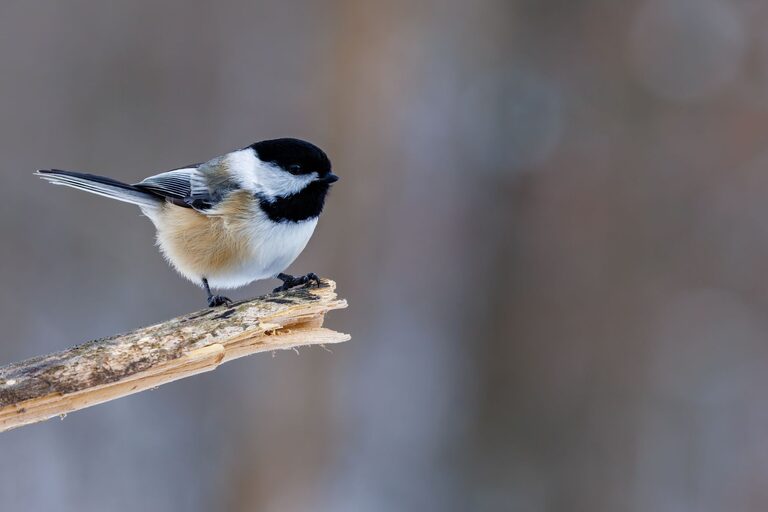
Birdwatching is a rewarding hobby that invites you to connect with nature right in your own backyard. Whether you live in the city or the countryside, observing birds can provide relaxation, entertainment, and a deeper appreciation for the natural world. If you are new to birdwatching, this guide offers beginner tips to help you get started easily and enjoyably.
Birdwatching doesn’t require expensive gear or travel. By focusing on your backyard, you can observe a variety of bird species just by creating a welcoming space for them. This hobby promotes mindfulness, supports local wildlife, and can be a fun activity for all ages.
—
While you can start birdwatching with the naked eye, a basic pair of binoculars helps you see birds more clearly and from a distance. Look for lightweight, easy-to-use binoculars with a magnification of around 8x.
A field guide or a bird identification app can help you recognize different bird species. Choose resources that cover your geographic region for the best results.
Keeping a simple journal to record your observations can enhance your experience. Write down the birds you spot, the time of day, weather conditions, and any interesting behaviors.
—
Creating a bird-friendly environment is key to seeing more species. Here are the essentials:
– Bird Feeders: Use a variety of feeders like tube feeders, platform feeders, or suet cages to attract different birds.
– Seed Types: Common seeds include black oil sunflower seeds, nyjer seeds, and millet. Different birds prefer different seeds.
– Natural Food: Plant native shrubs and trees that produce berries, seeds, and attract insects for birds to eat.
Birds need fresh water for drinking and bathing. A birdbath with clean water can attract many visitors. Be sure to change the water regularly to keep it clean and safe.
Dense shrubs, evergreens, and trees give birds places to hide from predators and rest. Consider adding a birdhouse suited to the local species.
—
Birds can be easily startled. Move slowly and keep noise levels low to avoid scaring them away. Early mornings are usually the best time to spot birds.
Use your binoculars to watch birds from a distance rather than approaching them closely. Avoid sudden movements or bright clothing that might alarm them.
Recording what you see helps improve your identification skills and builds a personal birdwatching record. Photos, when taken carefully, can also be a great memory aid.
—
To get comfortable with birdwatching, start by learning to identify common local birds such as:
– Sparrows
– Cardinals
– Blue Jays
– Chickadees
– Robins
– Finches
Notice key features like size, color patterns, beak shape, and behavior. Over time, you’ll recognize subtle differences and enjoy spotting rarer species.
—
Birdwatching is a wonderful family activity. Involve children by creating a “bird checklist” or helping them build simple feeders. This can spark curiosity and teach respect for wildlife.
—
– Keep feeders clean to prevent disease.
– Avoid pesticides in your yard to maintain a safe habitat.
– Join local birdwatching groups or online communities for support and advice.
– Be consistent; birdwatching becomes more rewarding as you spend regular time outside.
—
Backyard birdwatching is a simple, enjoyable way to connect with nature and discover the beauty of birds near your home. With just a little effort and patience, you can turn your yard into a lively bird sanctuary and enjoy the calming presence of feathered friends year-round. Happy birdwatching!