 11
11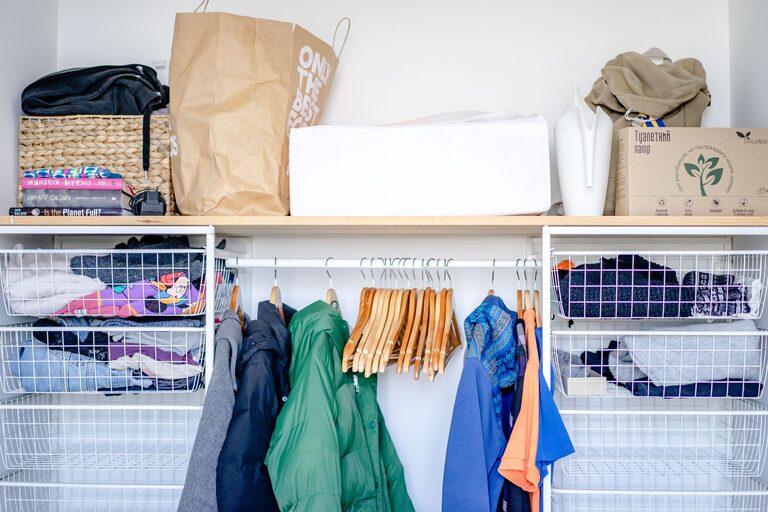
When the seasons change, switching out your wardrobe can feel like a daunting task. Storing seasonal clothes properly not only saves space but also keeps your clothes in good condition for the next time you need them. In this guide, we’ll walk you through practical and efficient ways to store your seasonal clothes, helping you stay organized all year round.
Storing clothes the right way protects them from damage caused by moisture, pests, and wrinkles. Clothes that are stored properly last longer, look better, and save you money by reducing wear and tear. Efficient storage also frees up space in your closet, making it easier to find what you need during the current season.
Before packing away your clothes, it’s important to prepare them. Here’s how:
– Wash or dry-clean: Dirt, sweat, and oils can attract insects and cause stains to set if clothes are stored dirty.
– Make sure they are completely dry: Damp clothes can develop mold and mildew during storage.
– Fix minor damages: Sew on loose buttons, fix small tears, and mend any holes.
– Sort by category: Group clothes by type (sweaters, jackets, pants) or by material to make unpacking easier.
– Fold bulky pieces: Sweaters and heavier garments should be folded to maintain their shape.
– Roll thin clothes: Rolling thinner items like tees can save space and reduce wrinkles.
Selecting appropriate storage containers is key to protecting your clothes and optimizing space.
– Plastic bins with lids: These are waterproof and stackable, which helps keep pests out and saves space.
– Fabric storage bags: Breathable bags are good for delicate fabrics but may not protect well against moisture or insects.
– Vacuum-sealed bags: These save a lot of space by compressing clothes but may not be suitable for delicate fabrics prone to creasing.
– Avoid cardboard boxes as they can attract pests and absorb moisture.
– Label each container clearly with the contents to make it easier to find items later.
– Leave some space in containers for air circulation if using fabric bags or avoid overpacking plastic bins to prevent wrinkles.
Choosing the right spot to store your seasonal clothes can prevent damage.
– Closets: Use higher shelves or underutilized corners.
– Under the bed: Flat storage bins fit well here.
– Storage chests or trunks: These can be decorative and functional.
– Climate-controlled rooms: Avoid damp basements and attics to prevent moisture damage.
– Areas with temperature extremes, such as garages or attics.
– Direct sunlight, which can fade colors.
– Damp or humid spots that promote mold.
Even while stored, clothes benefit from regular attention.
– Add natural sachets with lavender, cedar, or dried herbs to deter insects and keep clothes smelling fresh.
– Use breathable bags instead of sealed plastic when possible to prevent musty smells.
– Every few months, open your storage containers to air out your clothes.
– Inspect for any signs of moisture, pests, or damage.
– Use wardrobe dividers: When storing clothes on hangers inside storage areas, dividers can keep things organized.
– Store shoes separately: Avoid placing shoes directly with clothes to prevent dirt transfer.
– Utilize vertical space: Hanging organizers or multi-tiered shelves maximize closet space.
– Consider rental storage: If your space is limited, off-site storage units can be an option for seasonal items.
Storing your seasonal clothes efficiently is all about preparation, the right containers, and choosing a suitable storage location. By following these steps, you can protect your garments, save space, and keep your home organized throughout the year. With a little planning, the process becomes easier and your clothes stay fresh and ready for the next season.